(1821-1882)
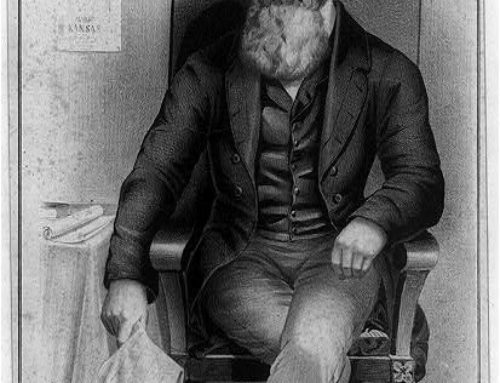
Alexander Gardner was born in Scotland on October 17th 1821. In 1856 he arrived in the United States hoping to work with the most well-known Civil War photographer Matthew Brady. Alexander Gardner and Matthew Brady did end up working together and in 1858 Gardner opened and managed a Matthew Brady owned photography studio in Washington D.C. When the Civil War broke out in 1861 Gardner offered his photography services to the thousands of soldiers that began arriving in Washington D.C.
He would offer to take their portrait for a small fee, which made the studio very successful since many soldiers were very eager to have their pictures taken. Gardner also took many photographs of President Abraham Lincoln, members of his administration and Union generals. The process of taking Civil War Pictures was still a new technology and there were only a small number of photographers at the beginning of the war so Gardner was the one everyone went to when they wanted their picture taken.

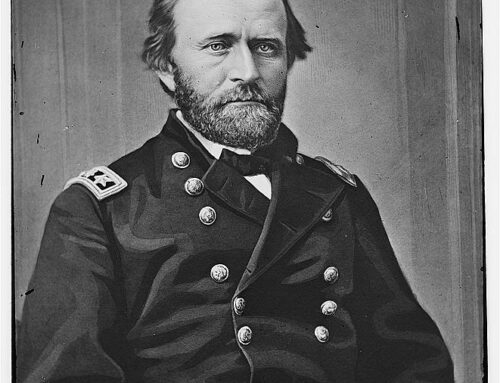
Alexander Gardner (1821-1882)
Alexander Gardner was temporarily made a Captain in the Union army and allowed to follow the Army of the Potomac as they attempted to put down the rebellion. This gave him many opportunities to take photographs early on in the war.
Alexander Gardner at Antietam
Two days after the Battle of Antietam which was the most bloody day in United States history Alexander Gardner arrived at the battlefield with his camera equipment. He began scouring the battlefield taking picture after picture of the carnage that he witnessed. This was significant because this was the first time in history that battlefield dead had every been photographed.
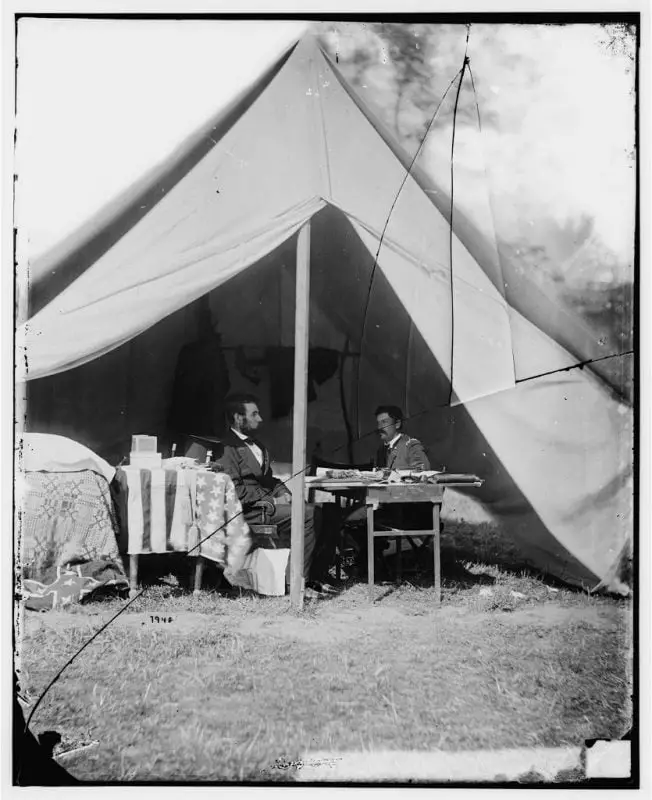
Abraham Lincoln Meeting with George McClellan at Antietam, 1862
He returned to Antietam two weeks later with the arrival of President Lincoln who met with the Commander of the Army of the Potomac General George McClellan. After he had completed his photography at Antietam, Gardner opened an exhibition of his photographs in New York City. It was the first time that the American public was exposed to the nature of modern warfare.
The images were very graphic and detailed and shocked the people that viewed them. The exhibit was extremely popular and should have made Gardner very famous, however he was not credited with taking the pictures.
Alexander Gardner splits from Matthew Brady
Working with Matthew Brady was both good and bad for Alexander Gardner. It was good because it allowed him to learn from the most experienced photographer of the era. It was bad however because Gardner was Matthew Brady’s employee so every photograph that Gardner took was credited to Matthew Brady. This did not sit well with Gardner.
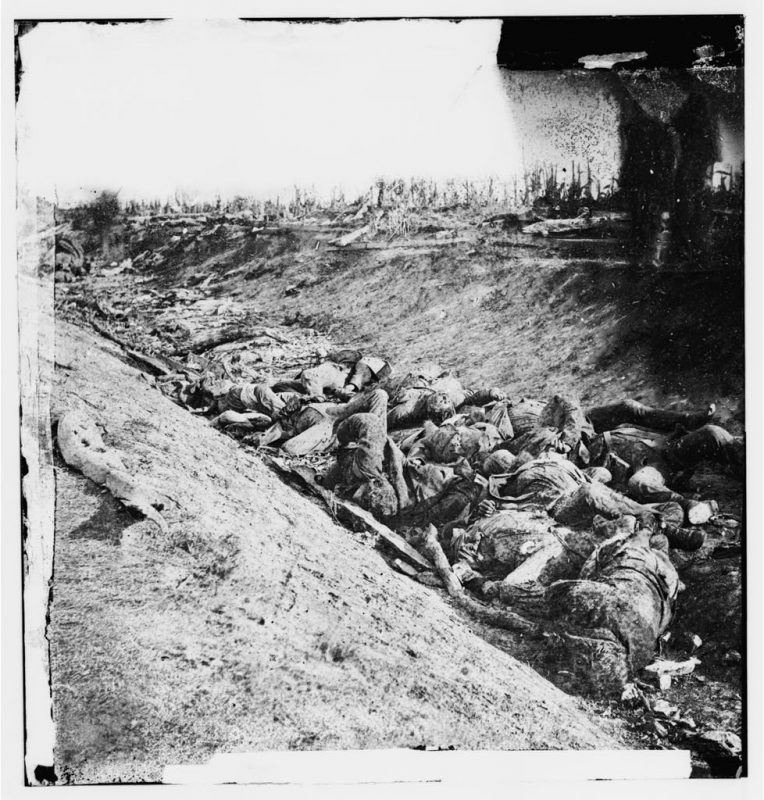
Dead Confederate Soldiers at Antietam
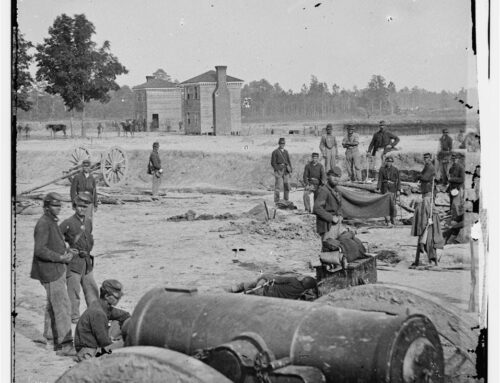
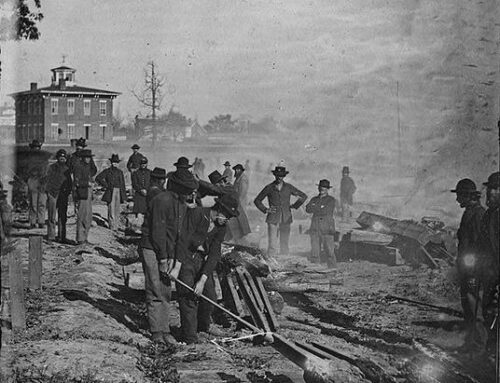
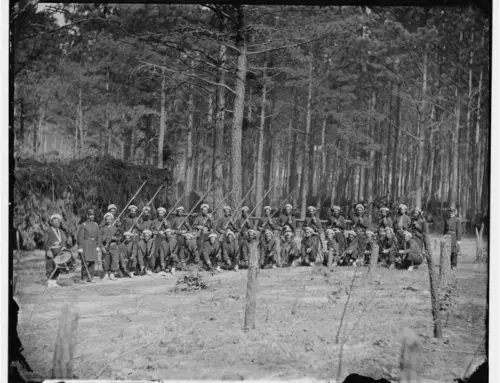
After failing to come up with a compromise with Brady, Gardner decided to quit and open his own studio in Washington D.C. in 1863. He hired many photographers who unlike with Brady were actually credited for their photographs. He continued to photograph many of the most famous battles of the Civil War including the Battle of Fredericksburg, Gettysburg and the Siege of Petersburg.
Alexander Gardner Controversy
Alexander Gardner was a great photography and it is primarily because of him that we have so many Civil War pictures. Without his effort to travel to various battlefields over several years we would not have the immense collection of photographs that we see today. He was not perfect though. In an effort to make his images more dramatic he was accused of staging photographs. He would often find dead bodies on a battlefield and drag them to different locations that he deemed more appropriate for the photo.
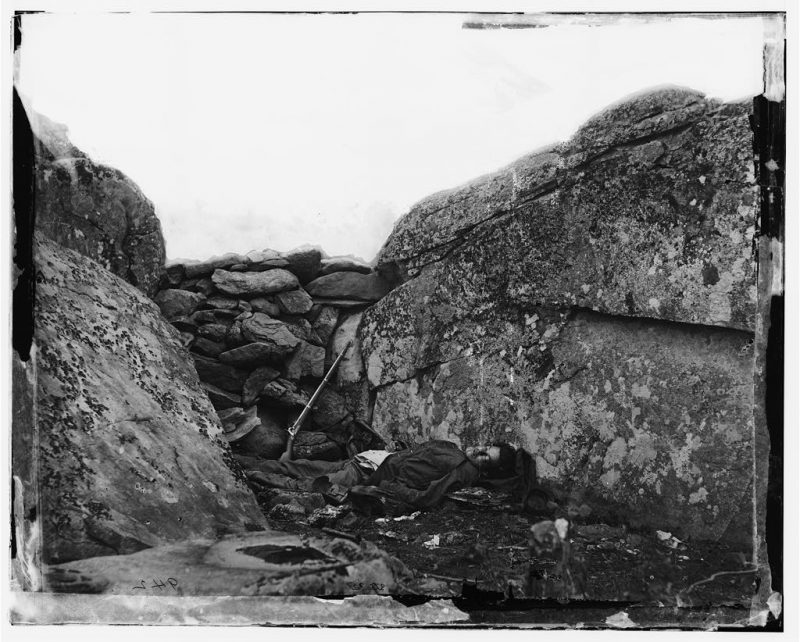
Confederate Sharpshooter at Gettysburg
The best case of this manipulation occurred after the Battle of Gettysburg. While looking around devil’s den which was the place of vicious fighting on the second day at Gettysburg he found a dead Confederate soldier who had been killed a few hundred feet away.
Gardner along with his assistant placed a blanket under the Confederate and dragged him near a large boulder at devil’s den. They even went so far as to place a rifle against a rock as though it was the soldiers weapon. He named this photograph Home of a rebel sharpshooter. While the dead Confederate and everything in the photo were real, the photo was staged. Regardless of this he is still one of the best photographers of the American Civil War.
Alexander Gardner and Abraham Lincoln
Alexander Gardner took many of the most famous photographs of Abraham Lincoln from the beginning
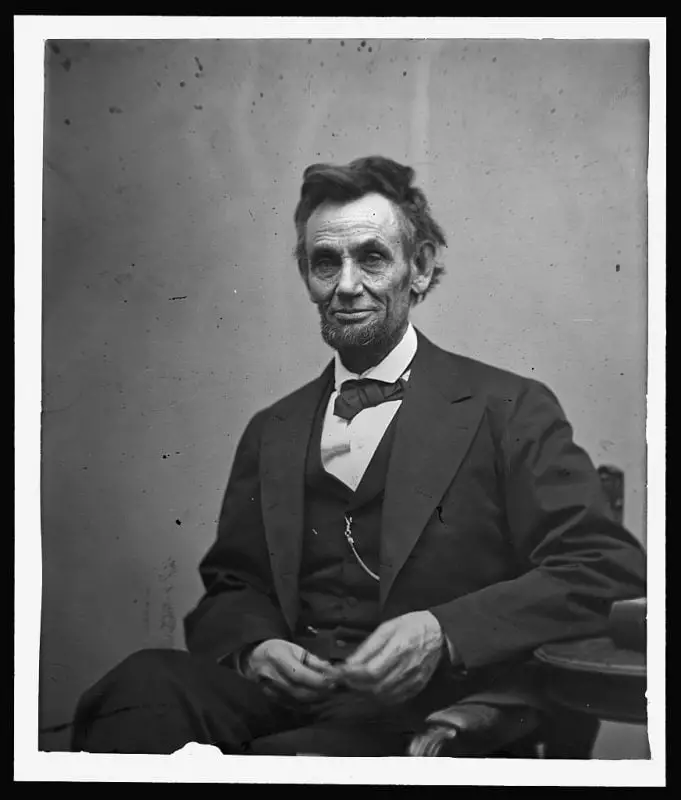
Abraham Lincoln February 1865
to the end of the Civil War. He took one of the last known photographs of President Lincoln on February 5th 1865 only two months before he was assassinated by John Wilkes Booth in April 1865. The photographic is a portrait of Lincoln and you can see he has aged dramatically compared to pictures taken at the beginning of the war.
After President Lincoln was assassinated Alexander Gardner was allowed to take photographs of the conspirators Mary Surratt, Lewis Powell, George Atzerodt and David Herold. After their trial and conviction Gardner photographed their execution.
Alexander Gardner After the Civil War
After the war in 1866 Gardner published all of his Civil War photographs in a book he called Gardner’s Photographic Sketch Book of the Civil War.
A great book about this is #ad On Alexander Gardner’s Photographic Sketch Book of the Civil War (Defining Moments in American Photography)
In 1867 Gardner closed his Washington D.C. photography studio and became the official photographer for the Union Pacific Railroad. During this time he photographed the construction of the railroad in Kansas and captured many famous pictures of the Plains Indians.
Gardner returned to Washington after his work was completed with the Union Pacific and helped police officials begin to take mugshots and form one of the first rogue’s galleries to help identify and keep track of criminals. In 1871 he retired from photography and formed an insurance company in Washington D.C. Alexander Gardner died on December 10th 1882.