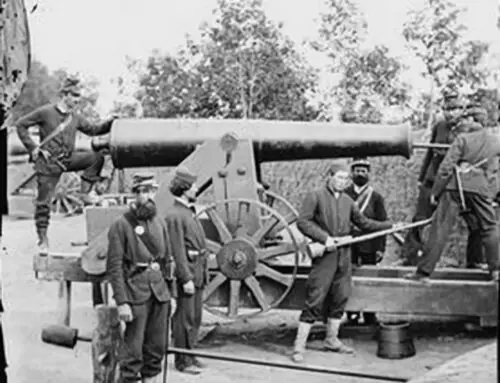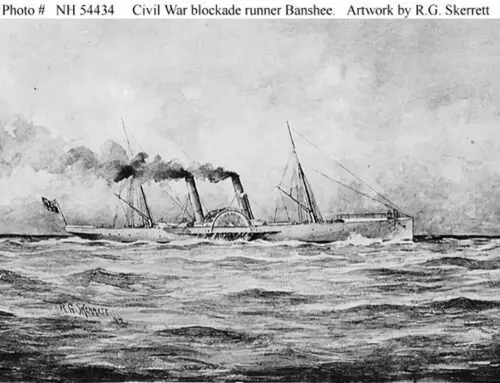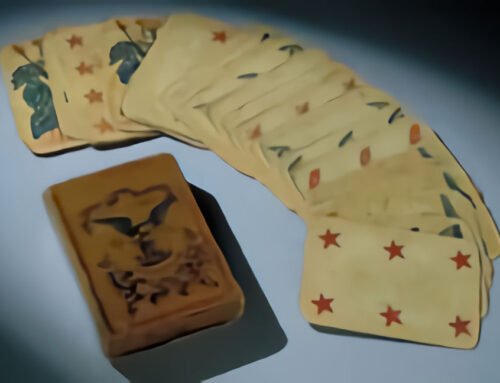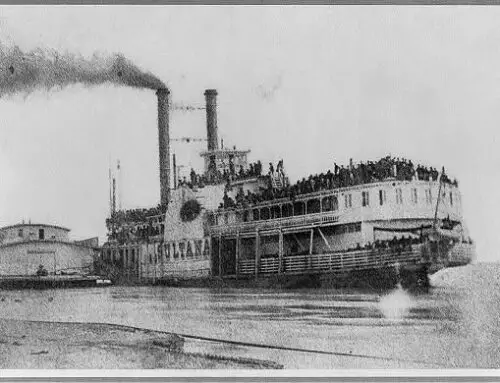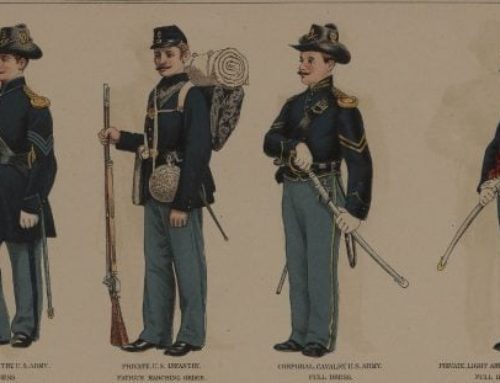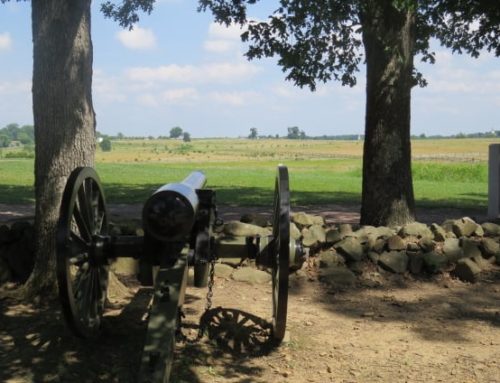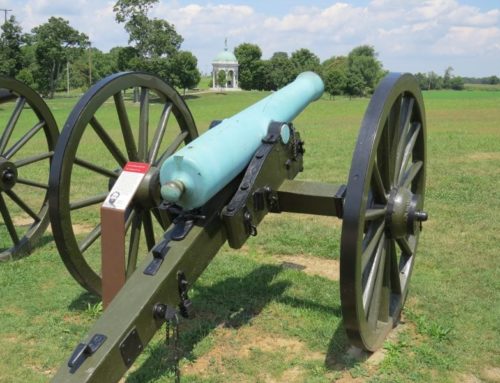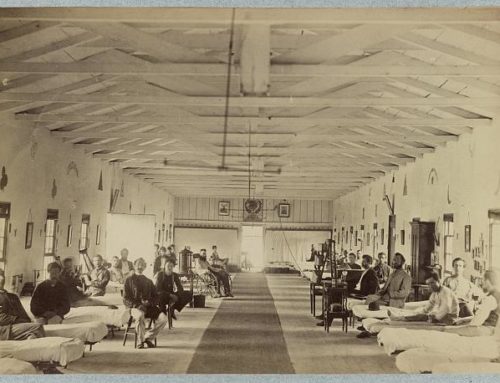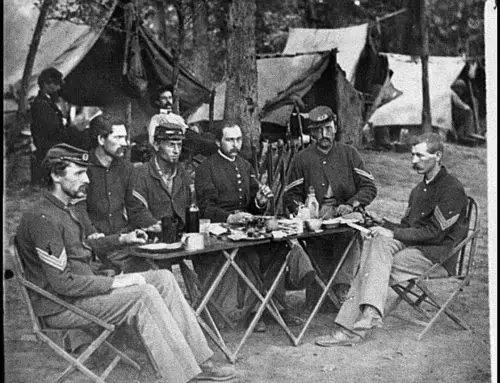
Civil War Technology made the American Civil War the first industrial and modern war. Technologies ranged from hot air balloons to submarines.
Old style smooth bore muskets were quickly phased out and rifles were now mass produced in huge quantities on both sides. These rifles allowed soldiers to fire accurately at long distances causing massive casualties.
The use of Photography meant that the war was the first conflict to be recorded on a large scale with actual photographs instead of paintings.
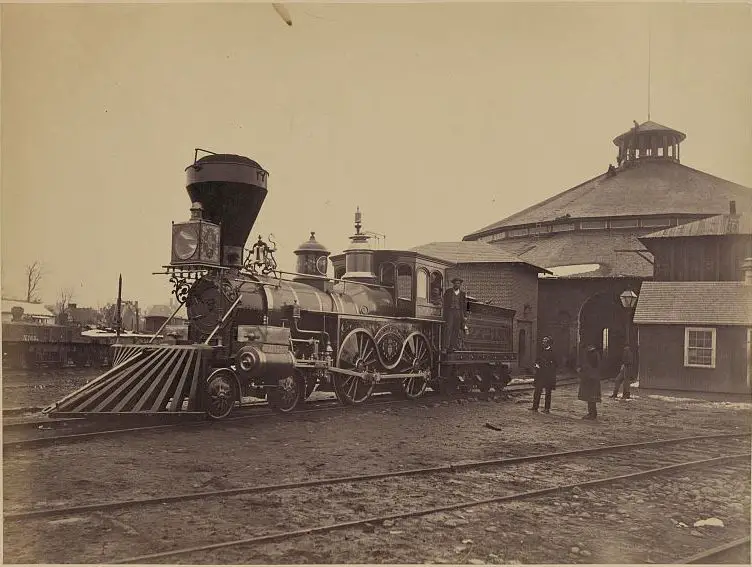
Civil War Locomotive J.H. Devereux
Commanders in the Civil War also made great use of the telegraph on a massive scale. Never before in warfare had communication been made so easy and instantly.
The telegraph allowed generals to relay information in real time with each other. The use of railroads on both sides became critically important in transporting troops and supplies.
Civil War Technology – Weapons
Of all of the technological advances made by the time of the Civil War, the rifle made the biggest impact. The rifle was created long before the Civil War.
It was used in limited numbers and typically by specialized troops during the Revolutionary War. At the beginning of the Civil War in 1861 both sides were still primarily using the old smooth-bore muskets.
These muskets were not accurate and did not have a long range. The musket had a smooth barrel which used a round lead ball as ammunition.
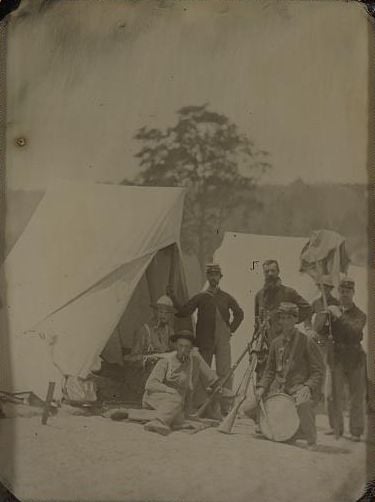
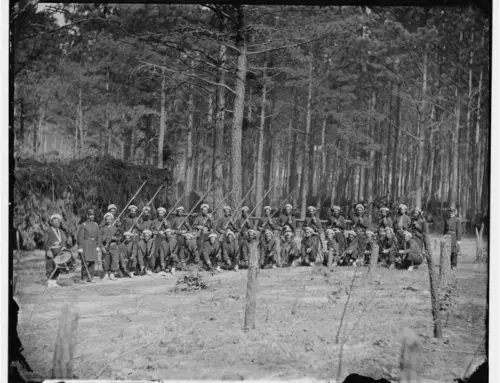
Union Soldiers with Rifles
When fired the lead ball would bounce around inside the barrel. This resulted in very inaccurate results. The reason soldiers lined up shoulder to shoulder in the Revolutionary War was because muskets needed to be used in a massed volley in order to have any chance of actually hitting anything.
After the Civil War had begun arsenals began mass producing rifles instead of the old smooth-bore muskets.
Rifles were a far superior weapon in every way. They had groves in the barrel that gripped ammunition tightly which put a spin on the bullet allowing for deadly accurate and long range fire. With the new rifle came a new bullet.
Minie Ball
Gone was the round lead ball. In it’s place was a bullet that resembles today’s modern bullets. It is called a minie ball, this bullet exited the barrel of a rifle spinning and at a high velocity.
The bottom of the minie ball had little groves in it that helped it grip onto the inside of the rifles barrel. These groves also carried bacteria, when a soldier was shot this bacteria entered the wound and caused infections.
The only way to deal with these infections during the Civil War was to amputate.
Gatling Gun in the Civil War
The Gatling gun was a Civil War technology invented by Richard Jordan Gatling in 1861 and patented in 1862. The Gatling gun was essentially the first machine gun.
It used multiple barrels driven by a hand crank allowing the gun to shoot at a rapid rate of fire. It was first used by General Benjamin Butler during the siege of Petersburg in 1864 and 1865.
The below images are an improved version of the Gatling patented in 1865.
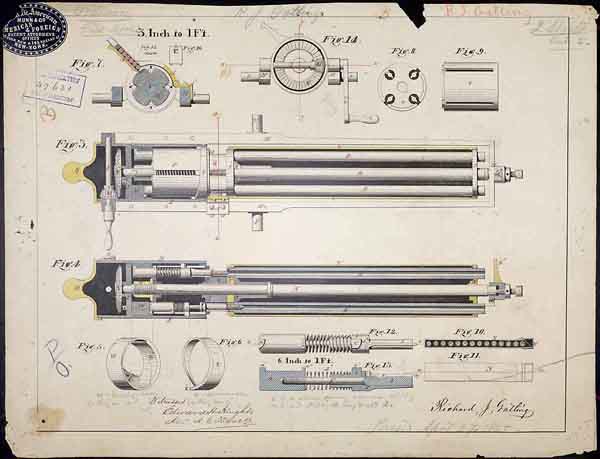
Gatling Gun Patent Drawing 1865 – National Archives and Records Administration, Records of the Patent and Trademark Office
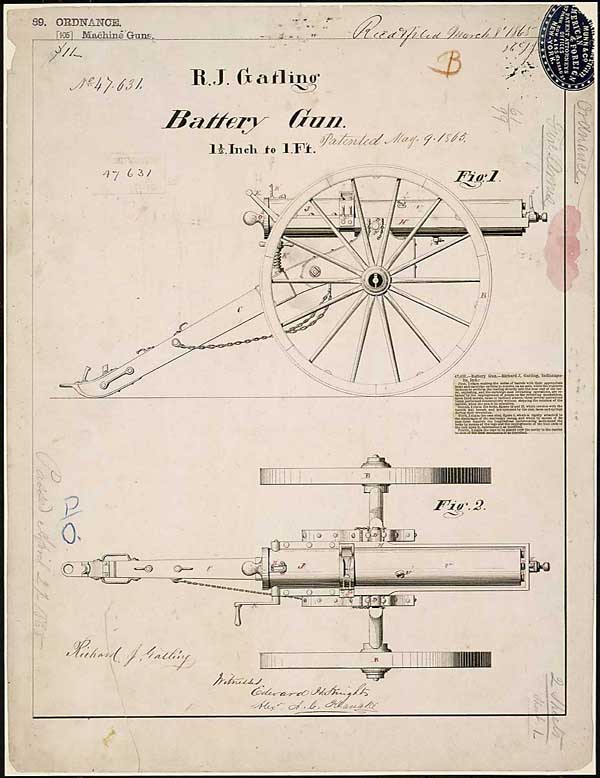
Gatling Gun Civil War – National Archives and Records Administration, Records of the Patent and Trademark Office
The Gatling gun was never used on a large scale during the Civil War. The gun required large amounts of ammunition which the Union saw as being wasteful.
The United States did not begin using this weapon until after the Civil War. The Gatling gun was formally adopted into the United States army in 1866.
Civil War Technology – Torpedoes (Landmines and Naval Mines)
During the war the Confederacy was always trying to come up with innovative ways of stopping the Union army. One of these ideas was by using torpedoes, this was just another name for landmines and naval mines.
They used torpedoes in land and at sea. They did some damage here and there but it wasn’t something that was going to win the south the war.
Civil War Technology – Ironclads
The Civil War also saw the beginning of modern naval ships. These new ships were clad with iron earning them the nickname “ironclads”. Some ironclads like the monitor class of ships are very similar to today’s warships.
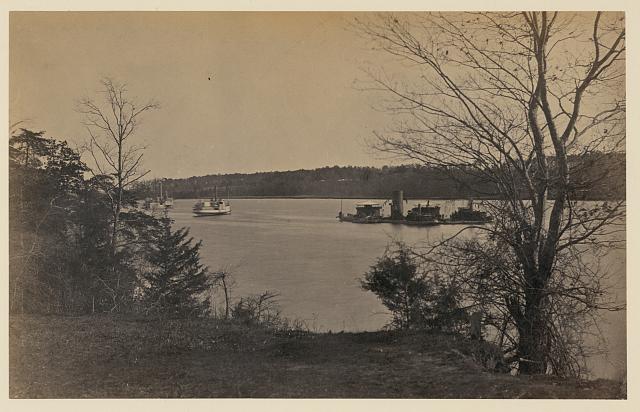
The Union Ironclad Monitor Onandaga
They sat low in the water and had either one or two rotating gun turrets, which enabled them to fire in any direction without having to turn the ship.
After the introduction of ironclads in the Civil War naval warfare never went back to wooden sailing ships. After ironclads came dreadnoughts.
Civil War Technology – Submarines
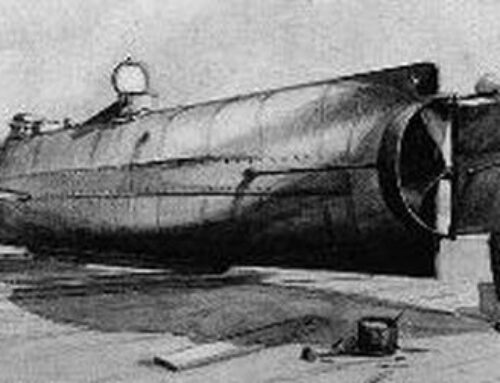
Civil War technology also saw the first successful use of a submarine. The Confederates created a submarine called the Hunley, named after it’s creator. The Hunley was powered by eight men who sat on a bench and turned a propeller with a hand crank.
It was a crude method of propelling a boat but it worked. The Hunley only went on one mission against the Union navy. In February 1864, the Hunley quietly approached and attached a naval mine to the USS Housatonic.
When the mine exploded the USS Housatonic became the first ship in history to be destroyed by a submarine. Only minutes after successfully sinking the USS Housatonic the Hunley also sank. It is still unclear what actually sank the Hunley.
Civil War Technology – Railroads
Railroads proved to be a vitally important Civil War technology. Railroads were essential for keeping the war moving and keeping troops supplied. The Union Railroad Train system was far superior to Confederate Railroads.
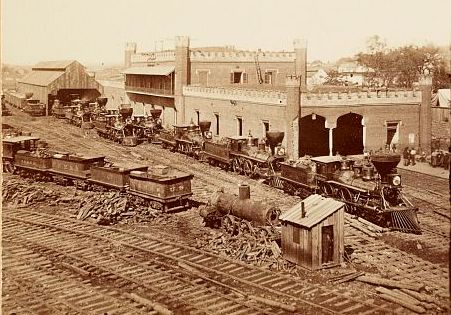
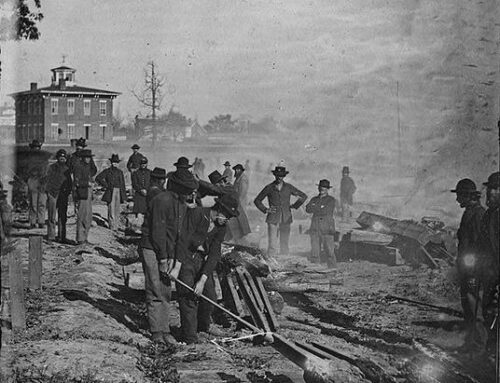
Nashville Tennessee Railroad Depot, 1864
The north was a very industrialized society with large cities and massive infrastructure. The south was an agricultural society, with little infrastructure.
Most of the United States railroad system prior to the war was built in the North. The south had railroads as well but they had far fewer tracks and locomotives than the north.
This would hinder the south’s ability to wage war, however they used what rail they did have to great effect. One example was the timely reinforcement by rail of Confederate troops during the First Battle of Manassas.
These reinforcements helped the Confederates win a devastating victory over the Union. Rail transport was also instrumental for the Confederacy when they captured Harper’s Ferry.
Civil War Technology – Telegraphs
The telegraph was perhaps one of the most effective technologies used during the Civil War.
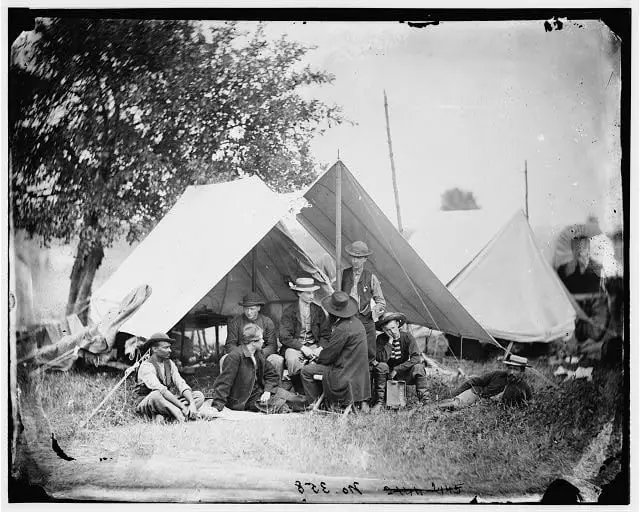
Telegraph Operators for the Army of the Potomac, August 1863
It allowed commanders to instantly communicate with each other and provide almost real time information about battle results, enemy troop movements, unit locations etc…
Abraham Lincoln used the telegraph daily. He often spent long nights in the telegraph office issuing orders to his generals and waiting for news from the front. He wanted to know exactly what was happening on the various battlefields.
Telegraph lines were strung up as soon as an army arrived at any location. Civil War soldiers grew adept at putting up telegraph lines since they were doing it so frequently.
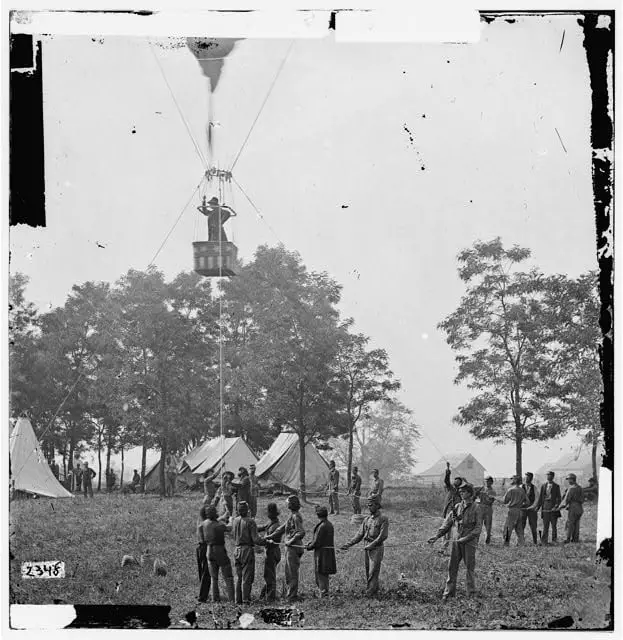
Union Observation Balloon during the Battle of Fair Oaks, 1862
In conjunction with the telegraph the Union military also employed observation balloons during the Civil War to watch battles and monitor enemy troop movements.
These movements were then relayed to ground commanders who could adjust their own troop movements accordingly or telegraph back to headquarters what they had witnessed.
Civil War Technology – Pictures
Civil War pictures showed war in a way that had never been seen before. In prior wars and even during the Civil War painters often accompanied armies on battlefields.
They later sat and painted what they saw. These paintings looked nice with gallant soldiers bravely fighting in a battle, however they failed to capture the brutality of war. They never showed the bloated corpses littered across a battlefield, or the destroyed cities, or the starving prisoners of war.
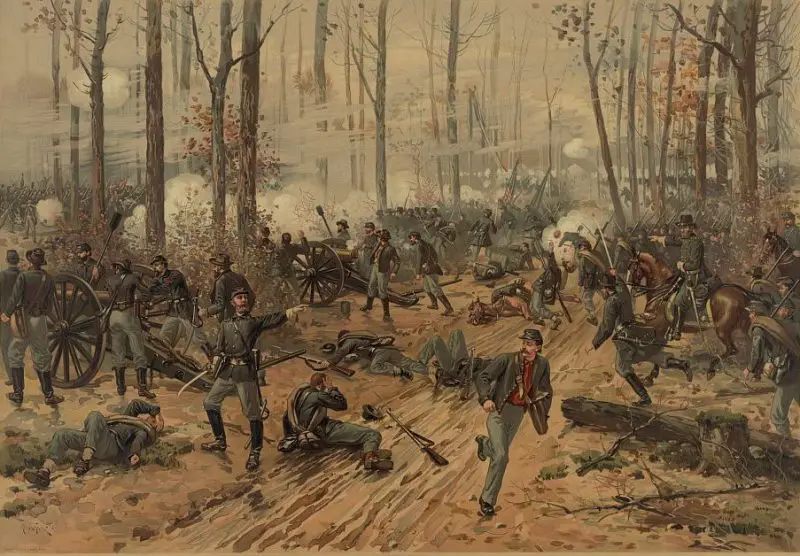
Painting of the Battle of Shiloh, April 6th – 7th 1862
Photographs showed these things. Warfare could never be seen the same way again after the Civil War. The most famous Civil War photographer was Alexander Gardner.
Most of the pictures you see today of the Civil War were taken by him. His boss and studio owner Mathew Brady is usually the person who gets credited for most of the photography of the Civil War.
It was however, Alexander Gardner and his team who were out in the field taking the pictures.
Civil War Technology – Food
Civil War technology was not very good when it came to food. Food is one of the most important things to any soldier in an army.
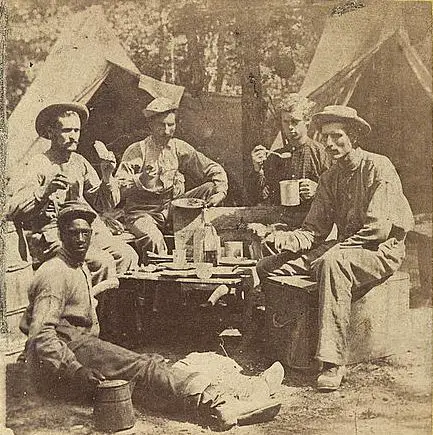
Union Soldiers Eating
However the only thing technology really had going for it when it came to food was canned food. Napoleon Bonaparte is credited as being the first person to use canned food to feed his army.
When the Civil War started cans were commonly being used on both sides. Canning certainly made it easier to transport and store food, however they were also difficult to open and they were heavy.
Civil War Technology – Aftermath
Often during wartime technology advances at a far greater speed than it ever does during peacetime. This is simply because during war there is a great need to get an edge on the enemy.
The technology that came out of the American Civil War had long lasting implications.
The Civil War can be seen as a precursor to World War 1.
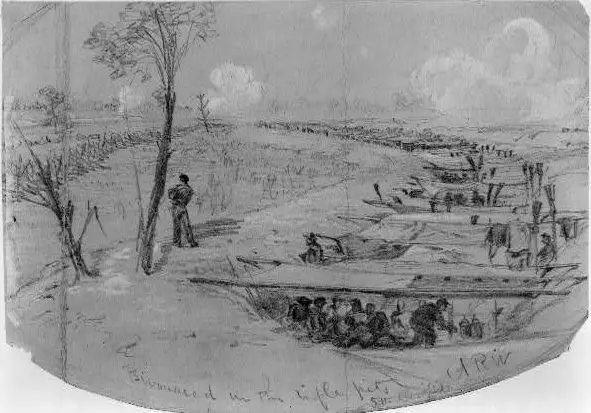
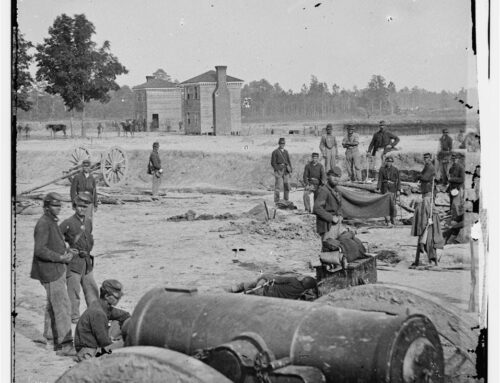
Union troops in Rifle Pits
Many technologies from the Civil War such as Gatling guns, mines, ironclads, observation balloons and submarines became much more advanced as the years went on.
Toward the end of the war both the Union and Confederate armies began to dig themselves into trenches just like World War One. The largest example of this was during the Siege of Petersburg in 1865.
After the Civil War armies would never again line up in nice formations and stand across from each other firing volley after volley until one side ran away.
It took years for the Union and Confederate generals to update their tactics to reflect the new weapons in the hands of their armies.