(1822-1885)
Ulysses S Grant was born in 1822, the son of an Ohio tanner and a nurse mother, he gained his first military experience in the books and lecture halls of West Point. As a cadet he was neither stellar nor lackluster, average was the correct term of his educational tenure. After graduating, Ulysses S. Grant immediately enlisted in the infantry and was sent to battle the Mexican forces in the Mexican War. General Zachary Taylor would later say of Grant, “If I had 100 men with the valor of Grant this war would have been over in a day”.
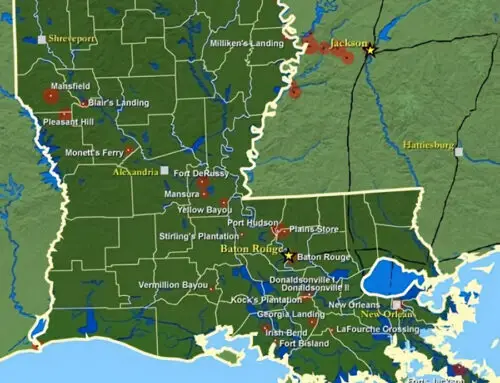
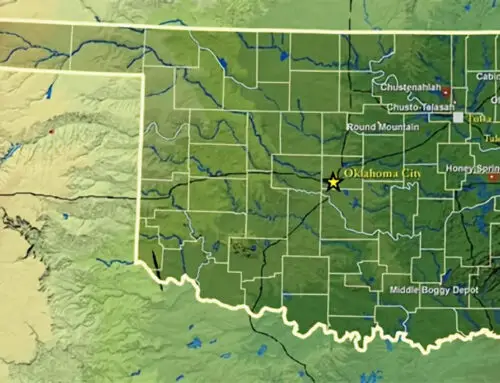
During the Civil War, Ulysses S Grant was dispatched by Abraham Lincoln to repel an army of Confederates in the Mississippi Valley region of the South.
After defeating the Rebels at Fort Henry on February 1862 Grant then set his sights on the Confederate stronghold at Fort Donelson.
The battle was quick and one-sided and as the Southern commander asked for terms, Grant replied, “No terms except an unconditional and immediate surrender can be accepted.”
The Confederates surrendered and President Lincoln immediately promoted Grant to the rank of major general. The North had its first hero and the South had a man who could match their every move on the battlefield.
Previously, the Confederates knew that their men were generally regarded as better trained and better equipped than their Union foes. Once Grant showed Lincoln that he was every bit a field general as Lee, the President wasted no time in selecting Ulysses S Grant as leader of the union forces.

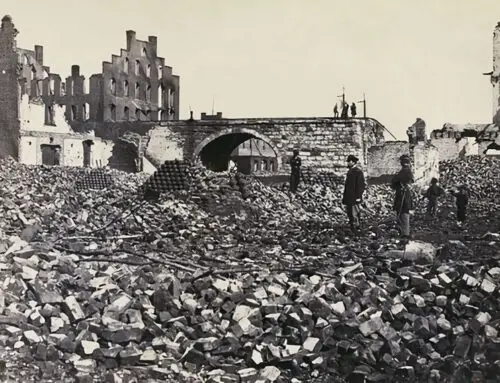
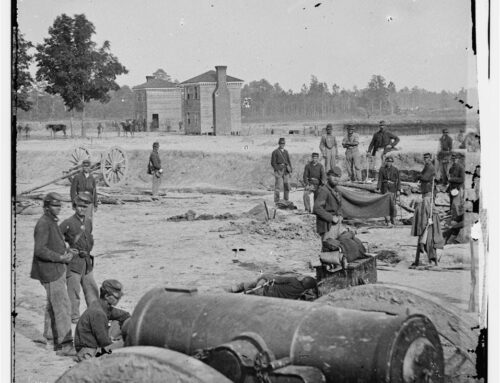
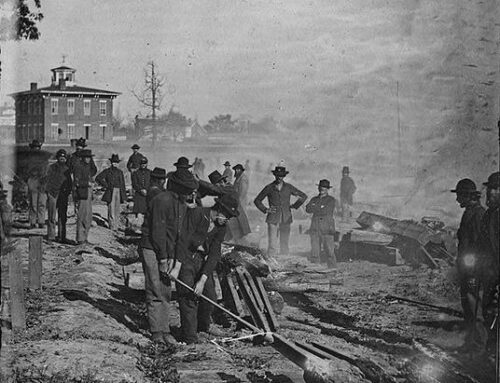
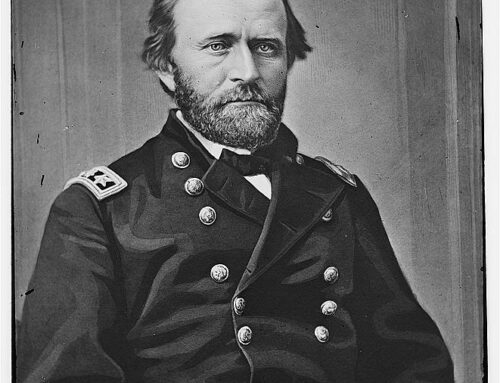
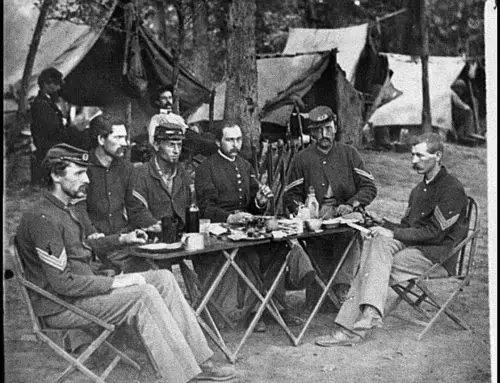
Ulysses S. Grant during the Civil War
Lincoln showed his undying respect and commitment to his chosen commander when he promoted Grant to General-In-Chief in March 1864. Grant certainly had earned his proverbial stripes, with impressive victories over Confederate forces at Vicksburg and Chattanooga.

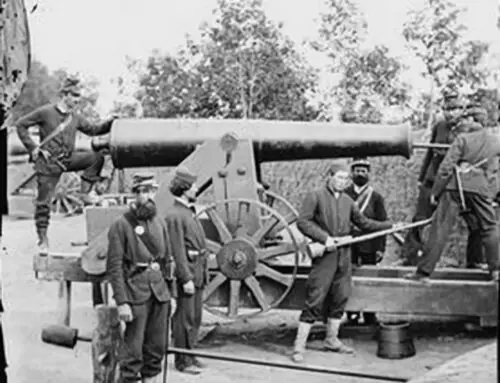
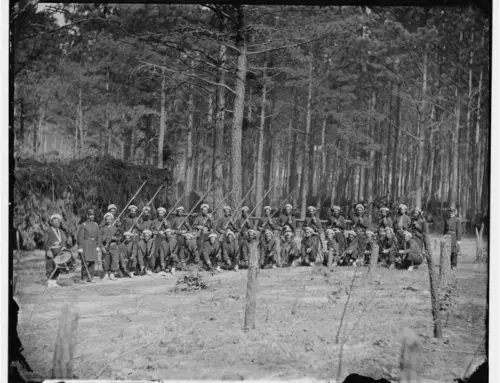
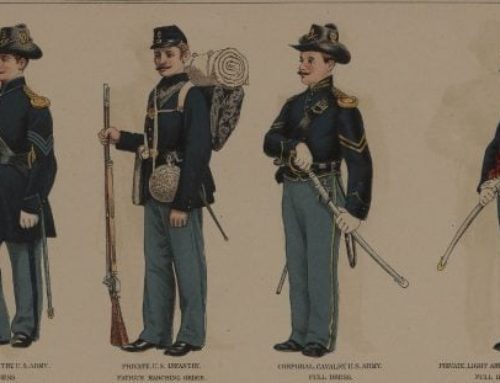
Ulysses S. Grant during the Civil War
Finally, at Appomattox Court House on April 9, 1865, Lee surrendered. Grant showcased his hidden intellect when he mandated the terms of surrender that carefully protected Southern soldiers from being tried as traitors. This type of loyalty to the nation post-war would go down in history as Grant’s final description. The war hero now turned his sights on political affairs, a territory he showed no real promise for.
On the battlefield Grant was superior in almost every way in defeating the South yet in the oval office the tide had turned. Although Grant was a scrupulously honest man, he would find himself at the center of many a scandal such as Black Friday and the Belknap Bribery, as President.

President Ulysses S. Grant
The President must have done a fair job, as leader of the nation for Grant was re-elected for a second term in 1872. A clear sign that Grant’s Civil War reputation definitely preceded him as President. President Grant followed the path of a true Reconstructionist who kept a force of federal troops in the major cities of the South directly after the war.
This show of force and leadership was two-fold in as much as Grant desired a unified nation he also was keenly aware of the South’s ability to rearm herself.
When Grant’s political career was at it’s gracious ending, he became a partner in a financial firm that went bankrupt. A short time after the failed financial venture, Grant was diagnosed with terminal throat cancer. Unmoved by this diagnosis and life ending prognosis Grant got right back up and started writing his memoirs.
In a race against death to secure a future for his family, Grant produced and sold the rights to his autobiography earning $450,000, a tidy sum in the late 19th century and today. Three short painful days in which Grant wrote the final pages of his work were completed. Grant died soon after finishing his memoir, a hero and valiant man to the bitter end, Ulysses S. Grant will always be known as the Savior of the North.