For Civil War women in the 1860s it was conventional wisdom that a “woman’s place is in the home,” but the American Civil War challenged this convention as it challenged other cultural conventions.
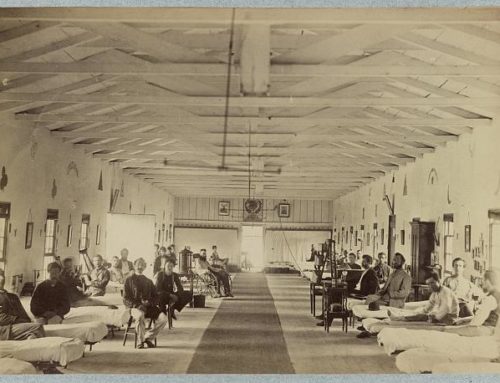
During the war, Civil War women from both sides served valiantly far from home. There were many important women of the Civil War. Approximately 4,000 women made up the backbone of the volunteer nursing corps that cared with devotion and self-sacrifice for thousands of wounded soldiers.
Women were accustomed to nursing their family members at home so volunteer nursing was not as strange to their mindset as is it was to the mindset of the bewildered army surgeons who often initially greeted women volunteers with hostility.
There were many famous Civil War nurses such as someone like one of the most important women of the Civil War Clara Barton, however there were far more nurses, especially black women who served in great numbers, that are not so well-known.
Many may be surprised to learn that Harriet Tubman, the former slave who led hundreds of other slaves to freedom by the Underground Railroad, also served as a Civil War nurse.
Tubman used her wide knowledge of healing herbs and roots in her nursing service and moved from camp to camp during the war. She was later given a small military pension and even the honor of a military funeral when she died in 1913.
Susie King Taylor, a former slave who traveled with her husband Edward King when he joined the 1st South Carolina Volunteers(the Union’s first black regiment), recorded her experiences of nursing and camp life in Reminiscences of My Life in Camp, but many other devoted nurses, both black and white are known to us only by their names, if at all.
Most Civil War nurses received no recognition by the government for their services.
Taylor, for example, served over four years in Union Army hospitals with no pay or acknowledgment. A few nurses did receive public honor for their service.
Mary Ann Bickerdyke (a.k.a. Mother Bickerdyke) who followed Grant’s army to care for the wounded was well-respected by both Grant and Sherman.
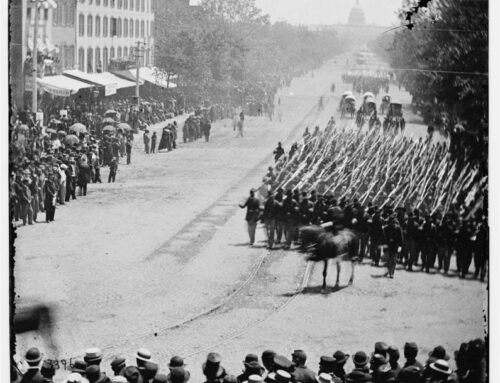
Sherman joked that she outranked him and she marched with Sherman’s troops during the victory parade in Washington.
Phoebe Yates Levy Pember, member of a prominent Jewish family from Charleston and the first woman administrator at Chimborazo army hospital outside of Richmond, was on the Confederate payroll (forty dollars a month, considerably more than the troops got).
Sally Tompkins who ran a small private hospital in Richmond, was commissioned by Jefferson Davis as a captain in the Confederate army in recognition of her services.
Dr. Mary Edwards Walker, the second woman to graduate from an American medical school, who served as a volunteer assistant surgeon at a Washington hospital during the war, later received the Congressional Medal of Honor for her services; quite unfairly Congress rescinded the awarding of the Medal to Walker and ninety others in 1917 when it changed the rules on who could receive the honor.
Women were not only nurses however, Mary Chesnut keep an extensive diary during the entire war and an untold number of women, by some estimates as high as 750, broke more drastically with convention by disguising themselves as men and enlisting in either the Union or Confederate army as Civil War women soldiers.
Government officials were even more reluctant to acknowledge the service of women soldiers than they were to acknowledge female Civil War nurses.
In 1909, when journalist Ida Tarbell wanted a record of female soldiers in the Civil war, she was told by the Adjutant General’s Office (AGO) that there were no records of women serving in the military.
This was untrue; there are numerous records of soldiers discovered to be female and then dismissed.
Civil War women are finally getting the attention they deserve. Hopefully, they will become more widely known in the future.
Sadly, the heroic service of many women is forever lost in the mists of history; they are no more than just names to us.