Civil War Flags
Civil War
Custom Search


Civil War Women Soldiers

Civil War Women

Civil War Soldiers


Civil War women soldiers were not officially allowed to serve as soldiers for either side during the war.

Those who enlisted disguised themselves as men.

With today’s standards of hygiene and physical medical exams this would be impossible to do, but Civil War physical exams were casual and did not require the person examined to strip.

It was not unusual for soldiers to refrain from undressing in front of one another; soldiers often bathed in their underwear and seldom changed it.

Achieving a “male voice” and coping with lack of facial hair might seem at first glance to present greater difficulties, but the numerous underage boys in the military made it easier for females with “boyish voices” and little facial hair to go undetected.

Most Civil War women soldiers were not discovered until they fell ill or were wounded.

Mary Owens served in the Union army as John Edwards for a year and a half before she was discovered.

Loreta Velazquez served as Confederate Lieutenant Harry Buford. Velazquez was one of the few females soldiers to leave her own written record of her service; she published her story in 1876, although historians dispute some of her claims.

Women had various motives for joining the army. Some did so from loyalty to their side, others from a sense of adventure. Some, such as Satronia Smith Hunt who joined an Iowa regiment when her husband did, simply did not want to leave their soldier husbands, while poverty pushed others to join to gain a soldier’s meager pay.

Albert D. J. Cashier and Sarah Edmonds are two of the most well-documented female Civil War solders.

Cashier joined the Union army in August 1862 and served until after the war ended. Cashier was an unusual female soldier; she apparently felt more comfortable living life as a man than as a woman and lived all of her adult life posing as a man.

Her sex was not revealed until a year before her death, when the doctor at the Quincy Illinois Soldier’s home where she was staying, discovered the truth.

Sarah Edmonds joined the Union army in 1861 and saw action at First Manassas, Fredericksburg, and Antietam.

Fearing discovery when ill with a fever, she disserted in April 1863. Edmonds was a more typical female soldier, for she went back to life as a woman after the war and married L. H. Seelye in 1867.

However, Edmonds was untypical in that she successfully convinced the government to give her a pension for her military service.
free stats


Return from Civil War Women Soldiers to Civil War Women


Feb 19, 2010, Advertising Disclosure

Advertising Disclosure. This site is my personal site. It accepts advertising and other forms of compensation.

Permalink -- click for full blog post "Advertising Disclosure"


Dec 5, 2009, Civil War, American Civil War, Reconstruction

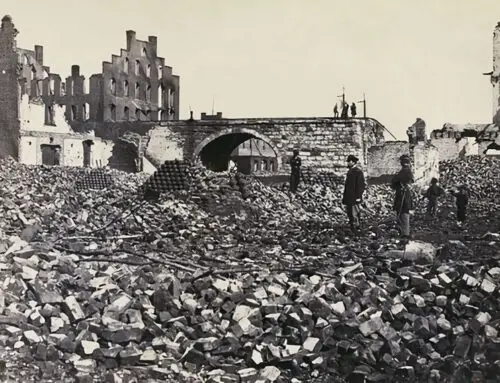
The Civil War was a horrific four years for the nation. When it was over, more than 620,000 Americans had died from battle and war-related causes. American had fought against American and in some cases, brother had literally fought against brother.

Permalink -- click for full blog post "Civil War, American Civil War, Reconstruction"


Nov 9, 2009, Brass Band, Civil War Music, Civil War Bands

The brass band of the Civil War played a very important role for both armies. They played at recruitment rallies and their music often helped to encourage young men to enlist.

Permalink -- click for full blog post "Brass Band, Civil War Music, Civil War Bands"


Nov 9, 2009, Civil War Ships, Civil War Marines, Hunley, Civil War Ironclad ships, USS Monitor

Civil War ships played an important role during the war, more important than most people think

Permalink -- click for full blog post "Civil War Ships, Civil War Marines, Hunley, Civil War Ironclad ships, USS Monitor"


Nov 9, 2009, Blockade Runner, Civil War Blockade, Civil War Ships

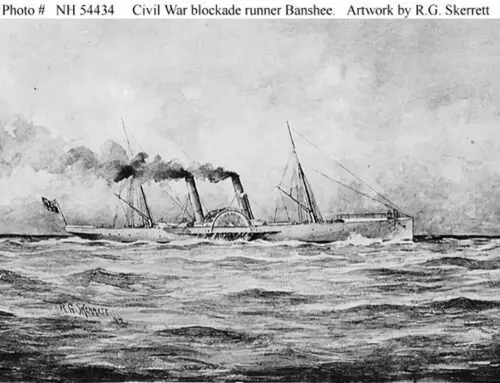
A Blockade runner was a ship that attempted to get through the Union blockade of Southern waters during the Civil War. One of the main goals of the North against the South was to starve them and cut off supplies and transports to and from the South.

Permalink -- click for full blog post "Blockade Runner, Civil War Blockade, Civil War Ships"


Nov 9, 2009, Belle Isle Prison, Civil War Prison Camps, Civil War Prisoners

Belle Isle Prison is located west of Richmond Virginia. It is a small island located in the James River that was used as a Civil War Prison for captured Union soldiers.

Permalink -- click for full blog post "Belle Isle Prison, Civil War Prison Camps, Civil War Prisoners"


Nov 5, 2009, Sherman's March, March to the Sea

Sherman's March to the Sea would set the south ablaze. The sea was the goal, the end result, for the Union leader. General Sherman was a rogue if only for a few months, the general of the Union army stationed in the heart of the Confederacy was on a rampage.

Permalink -- click for full blog post "Sherman's March, March to the Sea"

ADD TO YOUR SOCIAL BOOKMARKS: add to BlinkBlink add to Del.icio.usDel.icio.us add to DiggDigg
add to FurlFurl add to GoogleGoogle add to SimpySimpy add to SpurlSpurl Bookmark at TechnoratiTechnorati add to YahooY! MyWeb