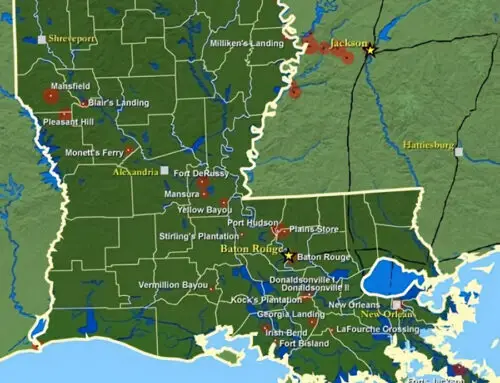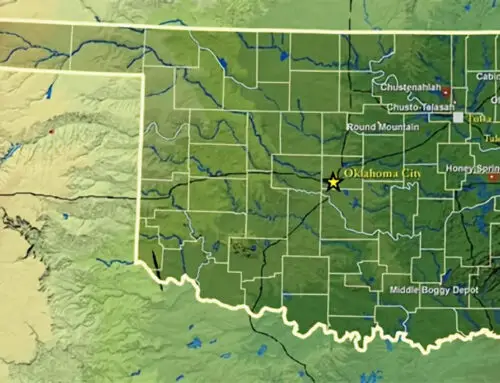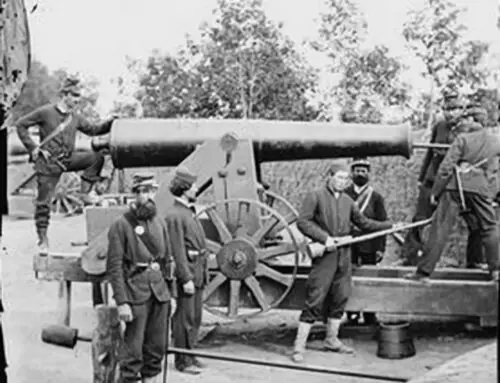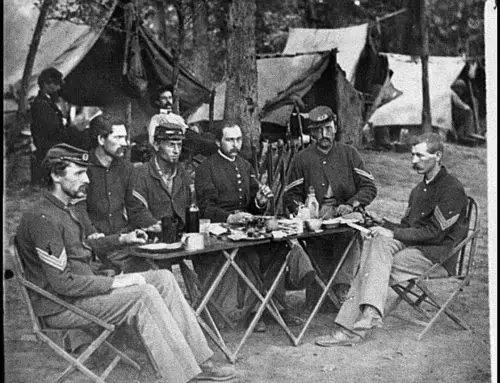
This Civil War timeline shows how the American Civil War was a vital crossroads in our nation’s history. Though tragic it welded together a united nation, two almost separate countries, the North and the South. To get a good overview of the war, it is important to have an understanding of all of the events that took place during the war. The following is a basic timeline of all the major battles and events, along with some more minor incidents.
Civil War Timeline 1860
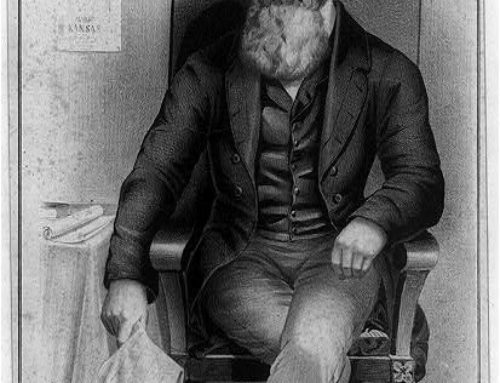
November 6: Abraham Lincoln, an ardent Free Soiler is elected president, bringing to a head the conflict between slavery and ant-slavery forces that has been simmering for decades. It started with the Jayhawkers and Bushwhackers in Kansas during the 1850’s.
December 20: South Carolina becomes the first state to secede.
Civil War Timeline 1861
January 9 – February 1: Mississippi, Florida, Alabama, Georgia, Louisiana, and Texas secede.
February 9: Jefferson Davis becomes provisional president of the Confederacy.
March 4: Lincoln takes office.
April 12: Confederate forces fire on Fort Sumter, South Carolina.
April 13: Federal troops surrender Fort Sumter.
April 15: Lincoln declares the southern states are guilty of “insurrections” and asks for federal troops to quell the rebellions.
July 21: First actual battle of the war occurs near Manassas, Virginia. It is known as First Battle of Manassas or Bull Run. Confederate General Joseph E. Johnston defeats Union General Irvin McDowell’s green troops.
July 27: Command of the Army of the Potomac is given to Major General George B. McClellan.
August 6: The first Confiscation Act is passed by the U.S. Congress. The Act allows for the confiscation of enemy property, including slaves.
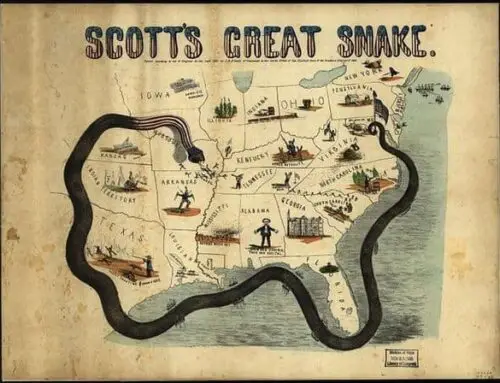
November 2: McClellan becomes General-in-Chief of the United States forces, replacing aging General Winfield Scott.
November 7: The United States Navy captures Port Royal, South Carolina.
November 8: The U.S. Navy captures James M. Mason and John Slidell, Confederate foreign commissioners onboard the British ship Trent. British anger over the Trent Affair is soothed by Charles Francis Adams, the U.S. ambassador to London, and the two Confederate officials are eventually allowed to travel on to Britain.
Civil War Timeline 1862
January 15: Edwin M. Stanton becomes the U.S. Secretary of War.
February 6: Ulysses S. Grant and Andrew H. Foote seize Fort Henry and Fort Donelson. The victory is significant, since Grant requires a total surrender and the capture allows Union forces to take Nashville.
February 25: Union forces occupy Nashville.
March 9: The first ironclads (armored ships), the Union Monitor and the Confederate Virginia, clash. The battle ends in a draw.
March 11: Dissatisfied with McClellan’s performance, Lincoln removes him as general-in-chief, but keeps him in charge of the Army of the Potomac. Henry W. Halleck is given charge of the Department of the Mississippi.
March 23-: Confederate General Thomas J. Jackson conducts Shenandoah Valley June 9 Campaign (western Virginia) to distract Union forces.
April 5: Beginning of the siege of Yorktown by the Army of the Potomac.
April 6-7: Battle of Shiloh is the first major bloodbath of the war. Thomas J. Jackson earns the nickname “Stonewall” and Confederate General Albert Sidney Johnson dies.
April 29: Actions of Admiral Farragut and his fleet allow the Union to take New Orleans. Union forces will hold this significant port for the rest of the war.
May 4: McClellan takes Yorktown, after the Confederates have evacuated.
May 9: Confederates leave Norfolk, Virginia.
May 31-June 1: Battle of Seven Pines or Fair Oaks in Virginia.
June 2: Robert E. Lee becomes commander of the Army of Northern Virginia. From the war’s onset, Lee has been the south’s leading general.
June 6: Battle of Memphis.
June 19: Slavery becomes illegal in all the territories.
June 25-July 1: Seven Days’ Battles. Lee prevents McClellan from reaching Richmond.
July 11: Halleck becomes United States’ General-in-Chief.
July 22: Lincoln shares his first draft of the Emancipation Proclamation with his cabinet.
August 29-30: Second Battle of Bull Run
September 2: McClellan is restored to full command in Virginia.
September 11: Lee’s forces move north into Hagerstown, Maryland.
September 17: McClellan’s forces defeat Lee’s in the Battle of Antietam, Maryland. The battle is McClellan’s only significant victory and it lifts Union morale.
September 19: Battle of Iuka, Mississippi.
September 22: The Preliminary Emancipation Proclamation is issued.
September 27: Free blacks join the first Union regiment of African American soldiers.
October 3-4. Battle of Corinth, Mississippi.
October 8: Battle of Perryville, Kentucky.
November 7: Ambrose E. Burnside replaces McClellan as the commander of the Army of the Potomac.
December 13: Battle of Fredericksburg. Union forces lose 13,000 troops and the Confederates lose 5,000.
December 29: Battle of Chickasaw Bayou.
December 31-January 3: Battle of Murfreesboro, Tennessee
Civil War Timeline 1863
January 1: Issuing of the Emancipation Proclamation.
January 20-22: Burnside’s “Mud March.”
January 23: Joseph Hooker replaces Burnside as commander of the Army of the Potomac.
March 3: Congressional approval of Federal Conscription Act.
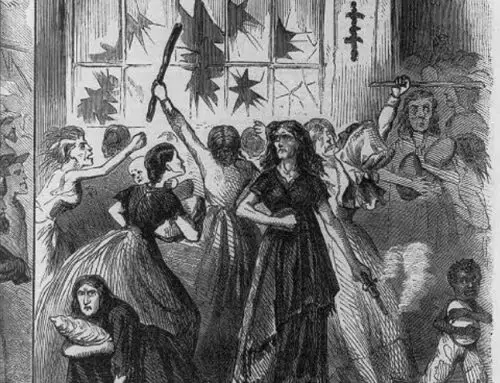
April 2: Crowds in Richmond other southern cities riot over lack of food.
May1-4: Battle of Chancellorsville, Virginia. “Stonewall” Jackson is wounded and dies some days later.
May 18: Beginning of the siege of Vicksburg.
June 20: West Virginia is admitted to the Union.
June 27: George Gordon Meade replaces Hooker as commander of the Army of the Potomac.
July 1-3: Battle of Gettysburg, Pennsylvania is a significant loss for the South.
July 4: Lee retreats from Gettysburg. Vicksburg surrenders, which allows the Union to control the length of the Mississippi.
July 13: Draft Riots in New York City.
July 18: An all black regiment, the 54th Massachusetts shows its bravery in the assault on Fort Wagner.
August 21: William Quantrill raids Lawrence Kansas
September 19-20: Battle of Chickamauga
November 19: Lincoln gives the Gettysburg address.
November 23-25: More battles in Tennessee.
December 8: Proclamation of Amnesty and Reconstruction is issued to declare policy for Confederate territory occupied by the Union.
December 16: Confederate General Joseph E. Johnson takes charge of the Army of Tennessee.
Civil War Timeline 1864
February 14: The Union captures Meridian, Mississippi.
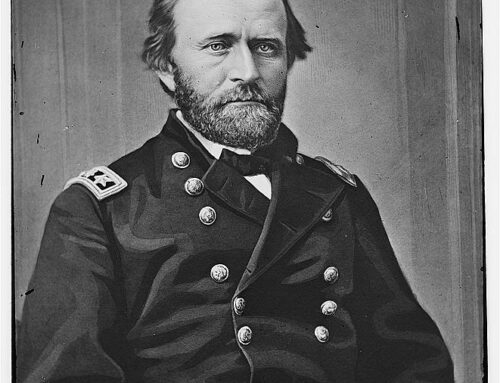
March 9: Ulysses S. Grant is made Lieutenant General and given charge of the Armies of the United States.
May 4: The Army of the Potomac begins its march to take Richmond.
May 5-6: Battle of the Wilderness.
May 7: Union General William T. Sherman begins his march on Atlanta.
June 1-3: Battle of Cold Harbor.
June 18: Start of siege of Petersburg, Virginia.
July 12: Confederate Jubal Early’s forces threaten Washington, D.C., but then withdraw.
July 22: Battle of Atlanta.
September 2: Sherman takes Atlanta.
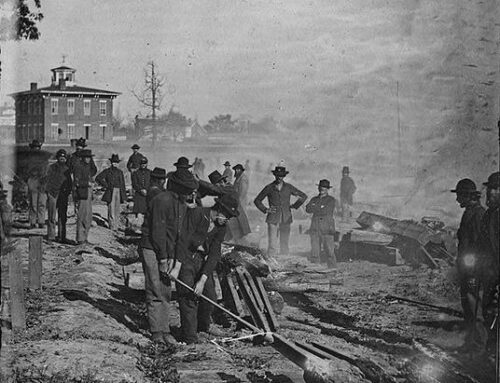
September 7: Sherman orders the evacuation of the citizens of Atlanta and burns the city.
November 8: Lincoln reelected.
November 16: Sherman begins his march to the sea.
December 22: Sherman enters Savannah, which Confederate forces have already evacuated.
Civil War Timeline 1865
January 19: Sherman begins his march through South Carolina.
January 31: The Thirteen Amendment is approved by the U.S. House of Representatives. The Thirteen Amendment abolishes slavery.
February 3: Lincoln meets with Confederate representatives, but they refuse to meet his conditions for peace.
February 17: Charleston is evacuated and Sherman’s forces seize Columbia, South Carolina.
March 4: Lincoln is inaugurated for a second term.
March 19: Beginning of the Appomattox campaign.
April 1: Battle of Five Forks, Virginia.
April 2: Confederate government flees Richmond.
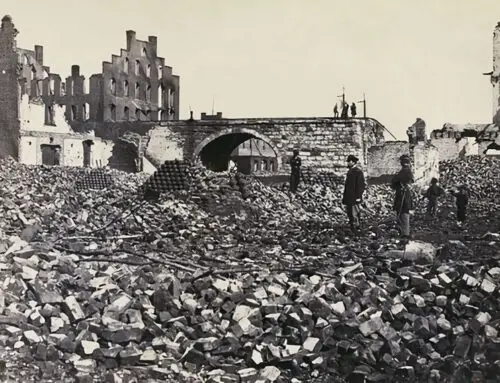
April 3: Union occupation of Richmond and Petersburg.
April 4: Lincoln tours Richmond.
April 6: At Sayler’s Creek, the Army of the Potomac and Army of Northern Virginia clash for the last time.
April 7: Grant sends a letter to Lee asking him to surrender.
April 9: Lee surrenders to Grant at Appomattox Court House.
April 12: Confederates surrender Mobile, Alabama.
April 14: President Lincoln is shot by John Wilkes Booth. Henry Rathbone is wounded in the attack; Lincoln dies the next day. William Seward is brutally attacked by Lewis Powell in an assassination attempt to cut of the head of the Federal government. That same day the Federal flag is raised at Fort Sumter for the first times since the war began. Andrew Johnson becomes president.
April 18: Sherman and Confederate General Joseph Johnson sign a surrender agreement, but President Johnson does not approve the generous terms Sherman has offered General Johnson.
April 26: Joseph Johnson surrenders unconditionally. John Wilkes Booth is shot to death by Federal soldiers.
May 4: Confederate General Richard Taylor surrenders in Alabama.
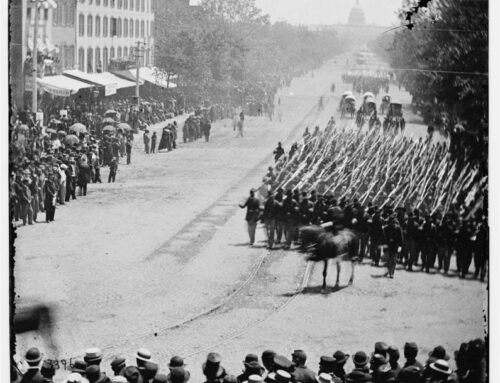
May 23-24: Union troops march in a Grand Review in Washington.
May 26: West of the Mississippi, the last Confederate force surrenders.
July 7: Lincoln Assassination conspirators Mary Surratt, Lewis Powell, George Atzerodt, and David Herold are hanged in Washington DC. Another conspirator John Surratt had fled to Canada to escape prosecution.
December 18: Thirteenth Amendment to the Constitution goes into effect, after being ratified by twenty-seven states.