Civil War Flags
Civil War
Custom Search


Railroad Train

Civil War Railroads

Northern Railroads


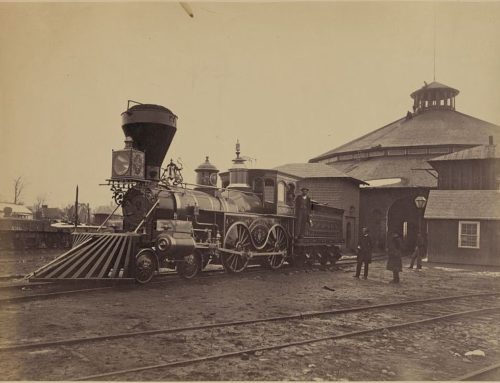
The Union railroad train system was far superior to Confederate railroads during the Civil War. The Union had many industrial centers, and therefore could produce more railroads. The Union also had more manpower to maintain the trains. By 1861, two-thirds of all railroads in America were located in northern states. Another advantage the Union railroads had was that the Union rails were all one gauge. The Confederate railroads were mostly different gauges. The Union armies could transport their men better than the South could, because they could ride from state to state without having to change trains. With the Confederate railways having different gauges, there was a lot of changing trains. Confederate soldiers could not ride from state to state as easily as the Union soldiers could.

The Pacific Railway Act was established in 1862. Lincoln signed this law because it allowed help in construction of railroad and telegraph lines from the Missouri River to the Pacific Ocean. This act also secured the ability for the government to use these same lines for postal, military, and other purposes. This act placed all employees and officers under military authority. Daniel McCallum was placed as superintendent of the U.S railroads.

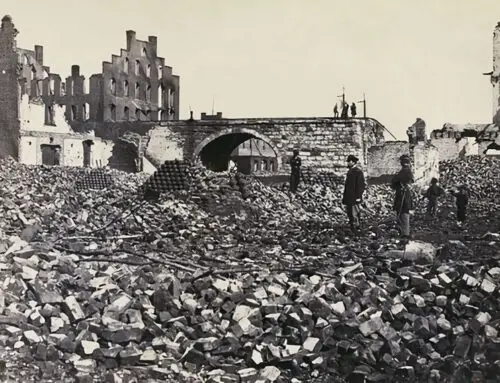
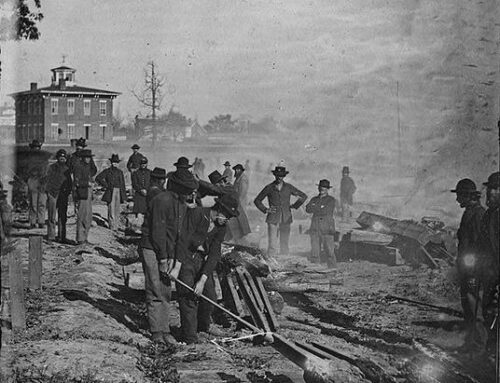
By the fall of 1864, most southern railways were taken over by Union armies. Sherman’s March to Sea also proved to be disastrous for the Confederates rail network. Sherman’s soldiers destroyed whatever they could of the Confederates railways as they marched along the way. From Georgia all the way through South Carolina, Sherman’s men placed rails upon ripped up ties and set fire to them. The rails were wrapped around trees and nicknamed “Sherman’s neckties.”

By the spring of 1864 the Union had demolished most of the Southern railways.

Return From Railroad Train to Civil War Technology


Feb 19, 2010, Advertising Disclosure

Advertising Disclosure. This site is my personal site. It accepts advertising and other forms of compensation.

Permalink -- click for full blog post "Advertising Disclosure"


Dec 5, 2009, Civil War, American Civil War, Reconstruction

The Civil War was a horrific four years for the nation. When it was over, more than 620,000 Americans had died from battle and war-related causes. American had fought against American and in some cases, brother had literally fought against brother.

Permalink -- click for full blog post "Civil War, American Civil War, Reconstruction"


Nov 9, 2009, Brass Band, Civil War Music, Civil War Bands

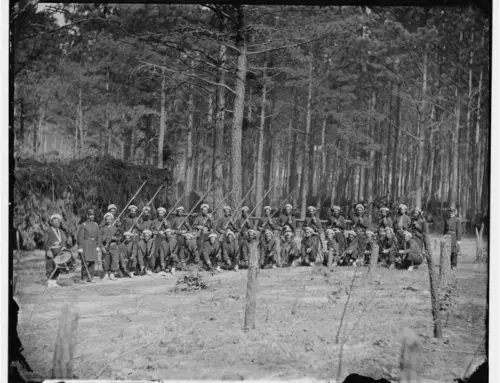
The brass band of the Civil War played a very important role for both armies. They played at recruitment rallies and their music often helped to encourage young men to enlist.

Permalink -- click for full blog post "Brass Band, Civil War Music, Civil War Bands"


Nov 9, 2009, Civil War Ships, Civil War Marines, Hunley, Civil War Ironclad ships, USS Monitor

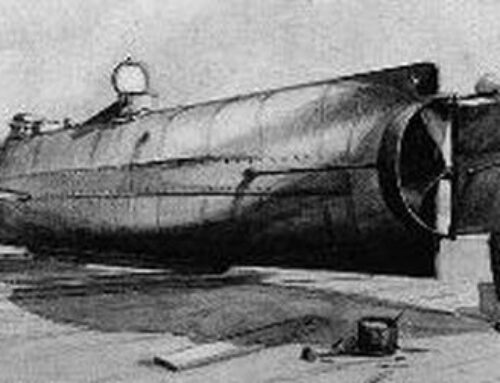
Civil War ships played an important role during the war, more important than most people think

Permalink -- click for full blog post "Civil War Ships, Civil War Marines, Hunley, Civil War Ironclad ships, USS Monitor"


Nov 9, 2009, Blockade Runner, Civil War Blockade, Civil War Ships

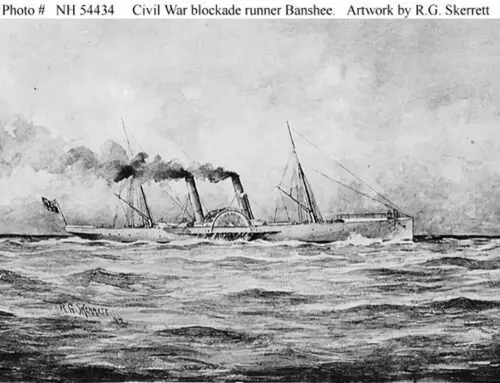
A Blockade runner was a ship that attempted to get through the Union blockade of Southern waters during the Civil War. One of the main goals of the North against the South was to starve them and cut off supplies and transports to and from the South.

Permalink -- click for full blog post "Blockade Runner, Civil War Blockade, Civil War Ships"


Nov 9, 2009, Belle Isle Prison, Civil War Prison Camps, Civil War Prisoners

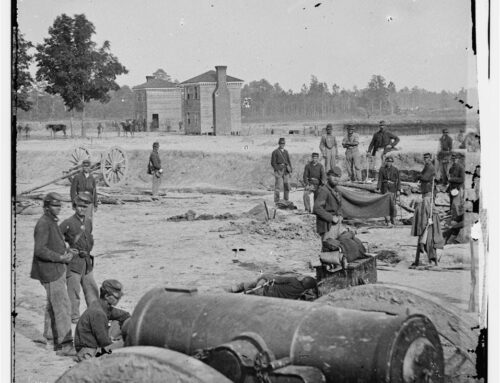
Belle Isle Prison is located west of Richmond Virginia. It is a small island located in the James River that was used as a Civil War Prison for captured Union soldiers.

Permalink -- click for full blog post "Belle Isle Prison, Civil War Prison Camps, Civil War Prisoners"


Nov 5, 2009, Sherman's March, March to the Sea

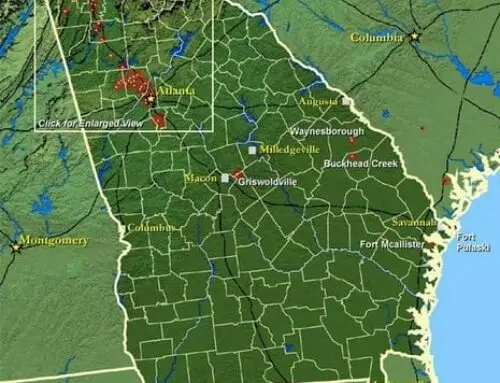
Sherman's March to the Sea would set the south ablaze. The sea was the goal, the end result, for the Union leader. General Sherman was a rogue if only for a few months, the general of the Union army stationed in the heart of the Confederacy was on a rampage.

Permalink -- click for full blog post "Sherman's March, March to the Sea"

ADD TO YOUR SOCIAL BOOKMARKS: add to BlinkBlink add to Del.icio.usDel.icio.us add to DiggDigg
add to FurlFurl add to GoogleGoogle add to SimpySimpy add to SpurlSpurl Bookmark at TechnoratiTechnorati add to YahooY! MyWeb