(1802-1878)
Gideon Welles is best known for his vivid accounts of the Lincoln and Johnson presidential administrations in a three-volume diary. The diary spent years on the top-sellers listing of the times, The New York Post, and vaulted Welles into the public spotlight.
Gideon Welles was born in Connecticut in 1802 and began his legal education at Norwich University. A very good student, Welles graduated and accepted a writing position for the newly created and often controversial Hartford Times. He did so well as a staff writer for the paper that in 1826 Welles became part owner of the then popular newspaper.
His rise to success was catching the watchful eye of the big Union legal engine and they knew they would need a voice of the people to help them complete their political plans. Welles was instrumental in the service of the Democratic Party and the newly elected Andrew Jackson administration. Known as a legal mastermind, Welles created a set of laws of incorporation that were duplicated by many of the democratic states of the Union.

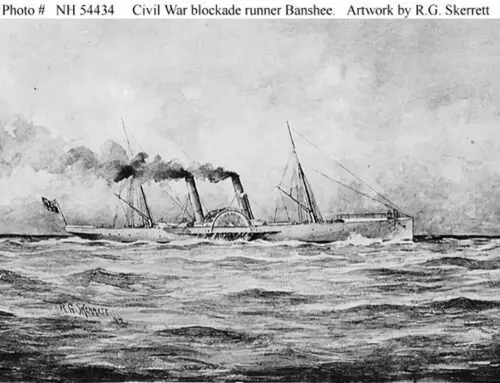
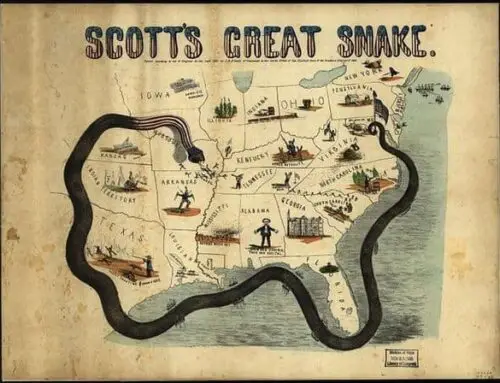
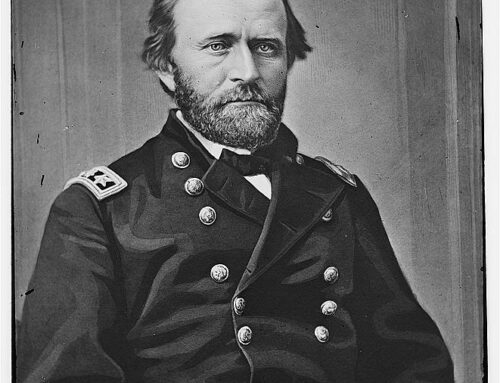
Gideon Welles was Secretary of the Navy during the Civil War
The intelligent and sometimes overly vocal Welles was on the rise in the political arena and was torn between public service and legal manifestation. As a reward for his loyalty in the depictions of his administration, President Jackson selected Welles as Hartford’s postmaster in 1836. The lawyer turned mailman administrator, held that lofty position until 1841.
Refocusing his attention and time to the Times newspaper, Welles would spend the next three years writing about the administration of his friend and leader, President Andrew Jackson. The times were good for the newspaperman and seemingly Welles could do no wrong either legally or journalistically.
A new democratic president was soon elected and in 1845 President James Polk enlisted Welles as the head of the Navy’s Department Bureau of Provisions and Clothing.
By the mid 1850’s, Welles joined the newly created Republican Party and set forth on making a run at the candidacy of the fledgling political party. In 1856, Welles put his hat into the ring for the gubernatorial republican candidate for president. He lost, by a landslide.
The hayride was coming to an abrupt end and Welles knew that he would have to make a big splash in order to remain in the public’s eye. That thing happened when in 1861; President Lincoln selected Welles to a very prominent military position, Secretary of the Navy. His ship had sailed back in and the wise Welles felt secure and required.
Serving in the post of head of the Navy, Welles continued in that role until the very end of President Johnson’s term. He would stick to the side of his friend, President Andrew Johnson until the last day of his political-military career. Fighting the radical republican in defense of President Johnson, the exhausted Gideon Welles retired back to his hometown of Hartford, Connecticut.
Ten years of retirement seemed to suit Welles very well and on February 11th, 1878, Welles died at his home. A true man of the times, Welles will be forever remembered for his contribution to the United States of America.