June 21st – July 1st 1862
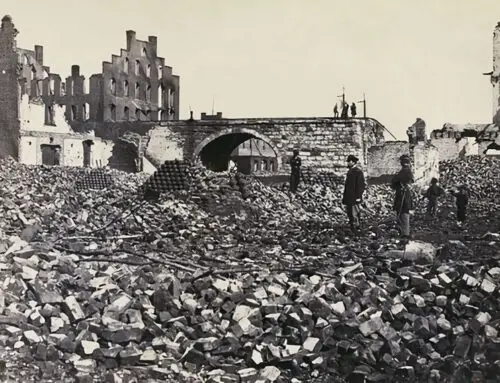
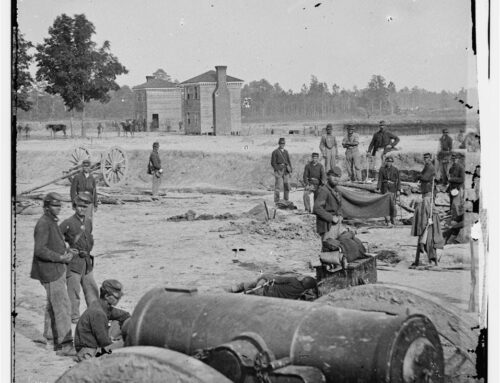
The Seven Days Battle, a name given to a series of battles in Richmond, Virginia, during the Civil War, matched two very competent generals in battle. It can also apply for the attacking efforts of General Lee of the Confederate army, which took seven days. Either way they are both factual and true.
What it did for both sides was to reaffirm that even in a retreating posture heavy losses could occur. The bullets were not the only things that killed men during the battle, the swamp that McClellan used to avoid the Confederates also killed or made unfit for combat, many Union soldiers.
The Union Army of the Potomac, arriving from land and sea, was held in check from the resulting pounding taken from the elite corps of General Robert E. Lee. The Battle of Seven Pines resulted in the loss of many Union soldiers and initiated the reprisals of Lee, seven days straight. General McClellan had at his disposal, a magnificent array of military personnel and artillery brigades. His total count, 32 brigades, 67 batteries and three divisions.
That is a huge military force and on paper, seemed invincible during the time of the Civil War. Paper is not the field of battle. General Lee’s army was no “slacking arsenal” in it’s own right, having 10 regiments and 22 companies. Lee also commanded the services of magnificent legendary Confederate cavalry divisions.
The bottom line during The Seven Days Battle was that Lee had the more experienced and deadly troops and a sophisticated system of delivery for a cavalry unit. McClellan possessed numbers. Numbers count significantly but are in no way the end determinant for any battle.
The battle was fought and the outcome was surprisingly similar to most others in the war. The actual fighting, although scored as favorable to the Rebels on the field, was bungled by the mistakes of the Union or Confederate generals. In this battle it was General McClellan that showed his inferiority as a leader, when he disobeyed a direct order from Washington.
McClellan decided that it would be beneficial to the Union army if he ordered his troops to just hang around the area north of Richmond. This was in direct contrast to the order issued by Lincoln stating that McClellan should strike while the iron is hot and decimate Richmond.
Hindsight is 20/20 but the reality of the situation at Seven days was that Lee had already decided to leave the area of battle and return to Richmond. McClellan could have greatly impacted the delivery of defeat to the entire Civil War and the Confederate cause, if he would have followed Lee and ended his run.
The Seven Days Battle is considered a Union victory but was a missed opportunity in the reality of the Civil War. Lee had gathered up Jackson and had left for Richmond, licking his wounds. The Confederate general was master of tactical military movement and McClellan was not. The Union had a golden opportunity to end Lee’s continued harassment of the Union troops.
In essence, all that remained of the Confederate army was General Lee and his army of Virginia. Any other real functioning army at the time was not considered to be of enough strength or value to make a difference in the war. The condition of the Confederates was at best mediocre. By allowing Lee to retreat to Richmond the Union was letting go of the only real chance they had a at a speedy end to this terrible war.