(1831-1888)
Philip Sheridan gave the South a good reason to despise any Union commander for something other than being the enemy. There were two aspects of the Confederates mind-set that were inseparable, one was the hatred of all things Union, secondly was their land.
What General Sheridan did was to bring about a deep seeded and long-lasting environmental alteration of one of the South’s’ most treasured natural resources, the Shenandoah Valley.
This picturesque and bountiful supply house for the South was set a blaze by the scorched earth policy of General Sheridan. After a battle had been fought in the area and the victorious Union troops were left alone in all that natural splendor, what did General Sheridan command them to do? Burn the valley.
The stores of grain and wheat that were the staples of many a Confederates daily meal ration, were the intended targets of destruction by Sheridan. What he did, albeit in the name of war, was to torch the scenic valley into the dark ages. This sole act, more over than any another act of debauchery committed by a general from either side, made General Sheridan a wanted man. The man was marked, and the Rebel army was closing in.

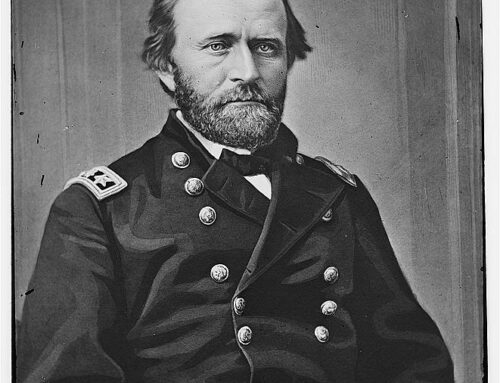
General Philip Sheridan
The birth of Philip Henry Sheridan occurred in New York in 1831. Not much is known about his upbringing with the exception that his formal education, at West Point, took the scholar five full years to complete. The reason that it took Sheridan an extra year to graduate from West Point was not for his lack of intelligence, this leader of the Union army was actually brilliant it was for his behavior.
A run-in with his co-commander, General Terrill, caused the delay and it was fortunate that the Sheridan was not expelled. Putting away his military manuals the enthusiastic leader-to-be headed off to fight in the Civil War.

General Philip Sheridan during the Civil War
Fighting and leading the war effort in such battles as Chickamauga and Missionary Ridge, the general soon found himself at the forefront of the battles that would change the course of the war. The Shenandoah Valley area was a Confederate wonderland equipped with the raw resources necessary to fuel an army. The Southerners knew this all too well as did the Union brass.
General Grant ordered Sheridan to the valley to sweep out the Rebels and destroy all that could be seen as a tool for the Confederate army. He was ordered to destroy anything that could be of use to the Confederates trees, animals, wheat and barley, up in smoke.
Philip Sheridan accepted this assignment with an almost eager glee. The Rebel populace did not miss this show of enthusiasm for environmental destruction. One southerner in particular, General Lee made it a point to prevent this from happening.
With the entire rebel army after Sheridan the Union leader could have turned tail and run under the coat tails of Grant and Lincoln but he did not. Instead he fought and won nearly every battle in which he was commander. Success was the name of Sheridan’s game and it is for this that he is remembered.