(1825-1875)
George Pickett is glorified in books and movies, even in futility; George Pickett’s place in Civil War history is forever entrenched. “Pickett’s charge” the saying that is one of the most recalled statements of the war, was in homage to General Pickett and his courage at Gettysburg.
Pickett’s Civil War resume has very few high marks but mostly it contains defeats and failure. This was not for a lack of intelligence nor military maneuverability; it was more of worsening conditions.
A charismatic and egocentric leader, Pickett rode a dashing all-black charger named ‘Old Black,” and had a riding crop, mounted or not, in hand.
He was seen as one of the most flamboyant and colorful generals that the Confederate army had to offer. Pickett’s hair was usually the topic of the day in many Confederate camps for it was long and curly and always was fastidiously kept.
Born to a prominent family in Virginia, Pickett was the eldest of eight siblings. He graduated from West Point but finished last in his class, earning him the dubious distinction of the “goat.”

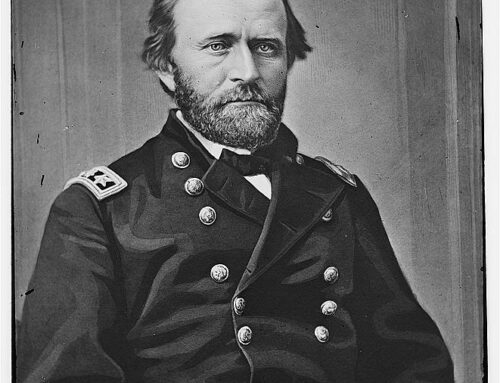
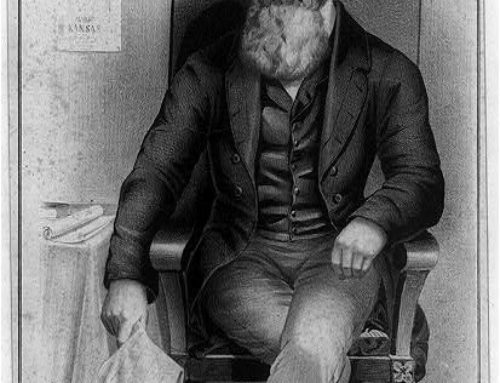
General George Pickett during the Civil War
The goat nickname went to the bottom-ranking student but whether or not Pickett, who was known as a class-clown, purposely chose this level, is not known. Pickett married Susan Harrison Steward Minge but tragically she died giving birth at Fort Gaines, Texas.
One son was conceived in a second marriage, James Tilton Pickett. Unfortunately again, tragedy was inflicted upon the Pickett family and James died at the early age of 32.
Once the Confederates fired upon Ft. Sumter and Pickett’s home state of Virginia seceded, Pickett enlisted into the Confederate army at Virginia. Minor skirmishes and small town battles dotted his experience before he saw real action in The Battle of Gettysburg.
This battle more than any other that Pickett commanded an army in, would be both the highlight and the lowlight of his career. At Gettysburg, Pickett led his division straight into the teeth of the Union forces and was repelled with tragic costly losses.
Artillery and musket fire peppered and harassed Pickett’s troops until he gave the order to retreat. The Union victory was sealed and Pickett’s wartime career forever embossed with his ill-fated charge. Although first hand accounts of meetings between Pickett and Lee are basically hearsay, the overall tone of those meetings was that they were cold and to the point.
Pickett blamed Lee for the loss of his men, men in the division he lived for. Subsequent battles would be minor indecisive roles usually meant for fill-in or rear-guard coverage operations. Picket mourned the loss of his beloved division all his final days.
After The Civil War was over, Pickett fled to Canada to dodge any persecution from the United States. This turned out to be unnecessary because after Lee’s surrender at Appomattox Courthouse, Pickett was paroled. He did have some difficulty in securing amnesty from the Federals, as did most Confederate commanders, but gained his freedom one year prior to his death in Norfolk, Virginia.