(1819-1914)
General Daniel Sickles was the man who shot Francis Scott Key’s son, Philip Barton Key.
He is remembered as one of the most interesting people of the Civil War.
Indeed the life and times of General Daniel Sickles would make a great book and probably has, he was that kind of man.
Conflicting venues swirled around this man from upstate New York and it would be these very winds that would sweep one of the definite heroes of Gettysburg, into the annals of American history.
His greatest accomplishment, the lost leg at Gettysburg, would be overshadowed by his personal life.
His love for his wife compelled Sickles to take action that was almost mandatory for the time, revenge. The pain was so intense, after Sickles discovered that his wife had been involved in an affair with the famous son of the creator of the country’s most beloved hymn, “The Star Spangled Banner”.

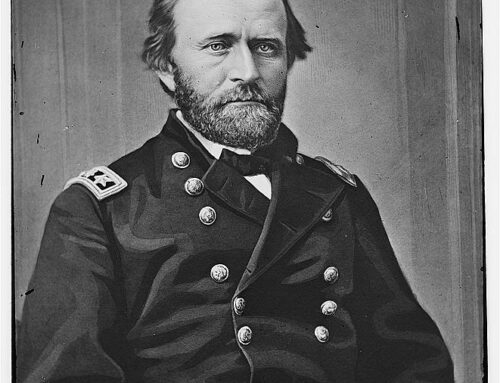
General Daniel Sickles during the Civil War
Sickles murdered Key in Lafayette Park right across from the house where the adultery took place. Adultery was seen as a very offensive near punishable by death act and Sickles knew this and took action. When the smoke from the gun had cleared it was Sickles who would come out the victor and the legality that cleared his name, would go down in judicial history as one of the most utilized.
Born in New York and educated at West Point, the now free General Sickles was sent to the lines to fight and fight he did. His leadership qualities were arguably, absent at best yet when it counted the Union leader showed his peers and enemies just what he was made of. A true warrior on the field of battle, General Sickles made many leaders upset over his style of effective leadership.
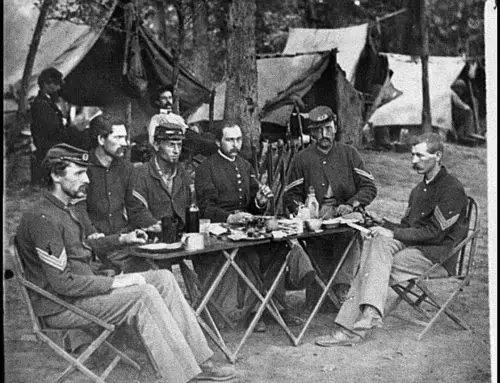
His own headquarters were the site for many drunken nights and was referred to as more of a brothel than a command unit. The alcohol and womanizing flowed through the tents and buildings that made up General Sickles command post. He was not alone in this scene of debauchery as his Union-commanding buddies, General Hooker and General Butterfield, were there to add to the party atmosphere of the battle.
Known as a great warrior with a heart the size of an artillery shell, the likable if not often-maligned leader was struck by a Rebel shell and lost his leg during the battle of Gettysburg. An interesting development ensued as the lost leg was later donated to a Union medical museum and said to be visited by the previous owner himself.
Maybe the first time in history that a general has lost a leg then found it, albeit un-attachable. This act of bravery in the face of certain death awarded General Sickles the Congressional Medal of Honor in 1897.
The military career and personal life of one of the most colorful and interesting leaders of the Civil War was hard to match. One would be hard pressed to locate another general, North or South that had such a vibrant if not ill-advised set of ethics and morals.